LarryWessel’s feature-length documentary called LOVE takes viewers into a fascinating and strange realm of the unreal (the hyper-real?) — realm of Beth Moore-Love’s art. Both Moore-Love and Wessel know that there’s something spooky and nasty about American history and culture and they have reflected that in their respective mediums.
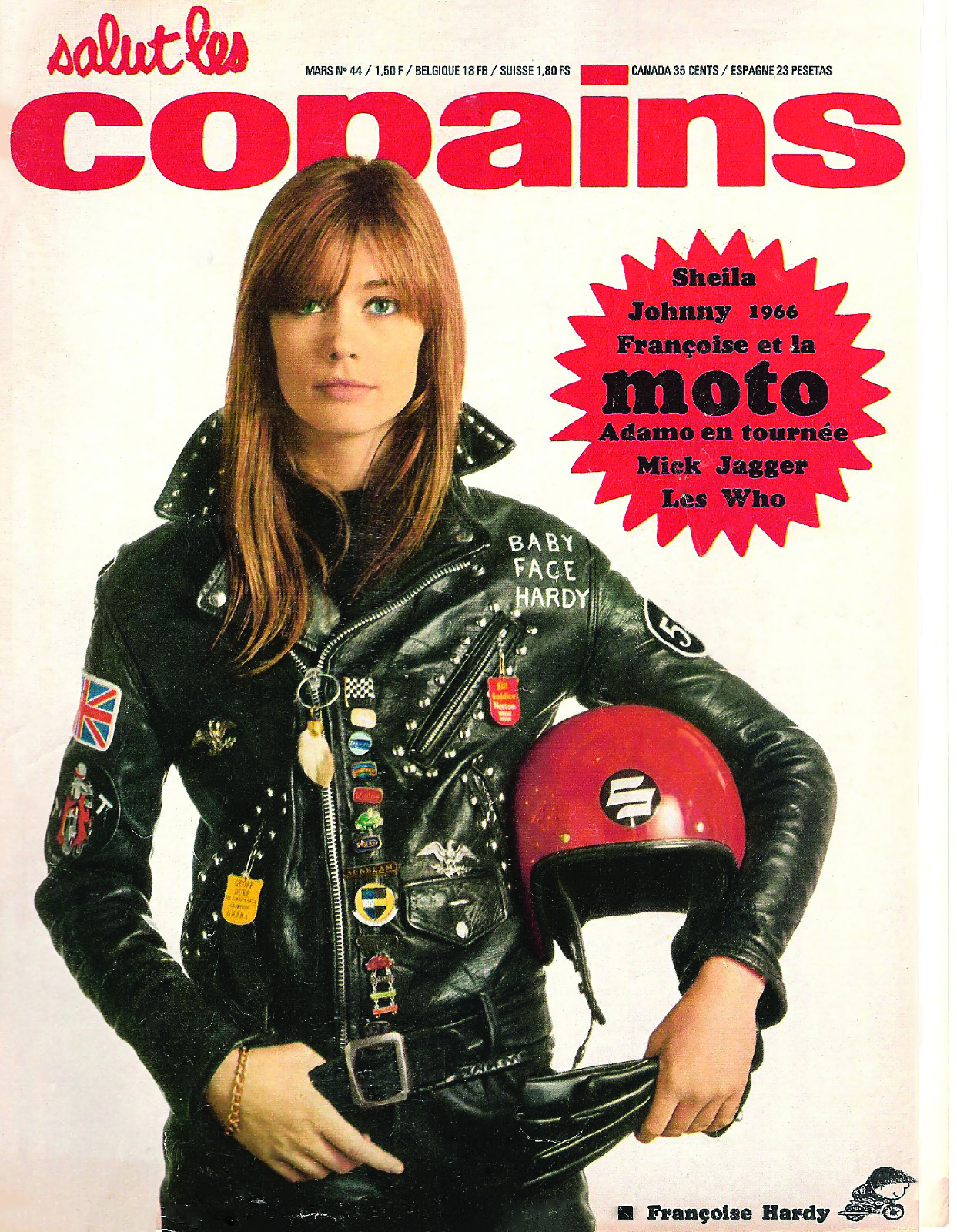
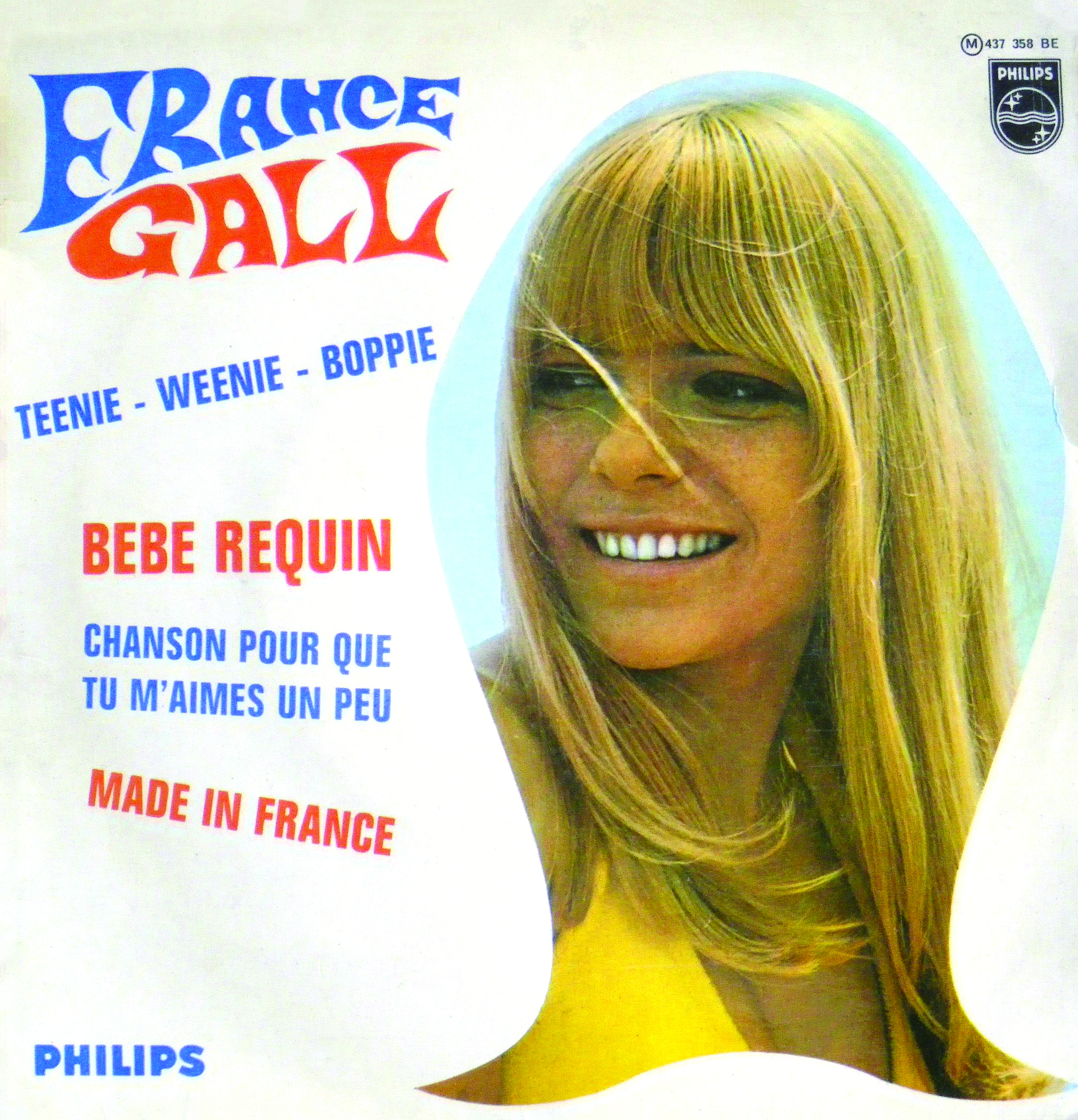
There was once a time, ladies and gentlemen, when French girls wore tight-fitting motorcycle outfits and flew around the cities on dreams of the perfect POPsound.
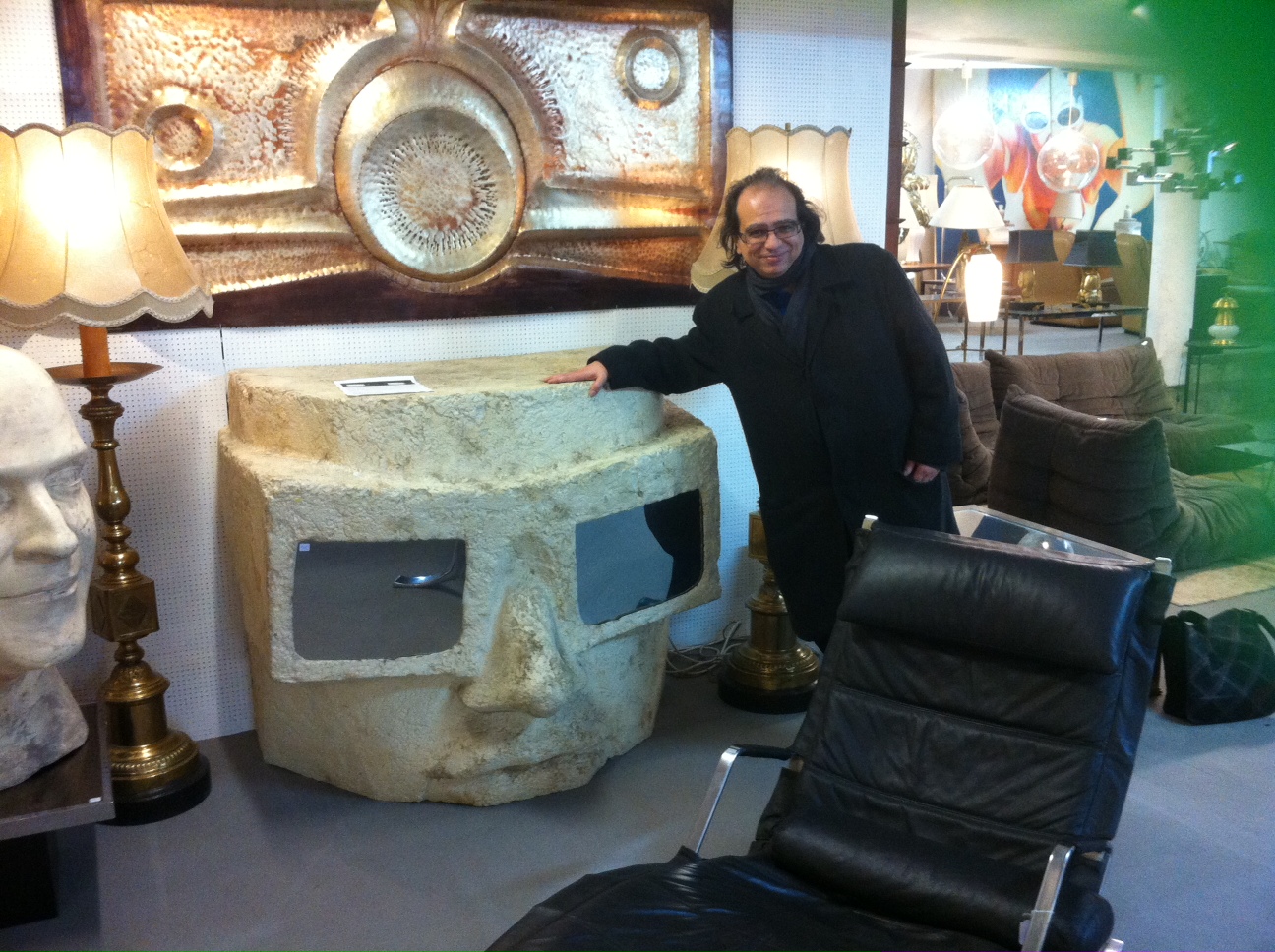
Those times have sadly flown us by, but self-proclaimed French “Pop Activist” JEAN-EMMANUEL DELUXE is determinedto never let us forget such candied aural delights. He has a new book out –
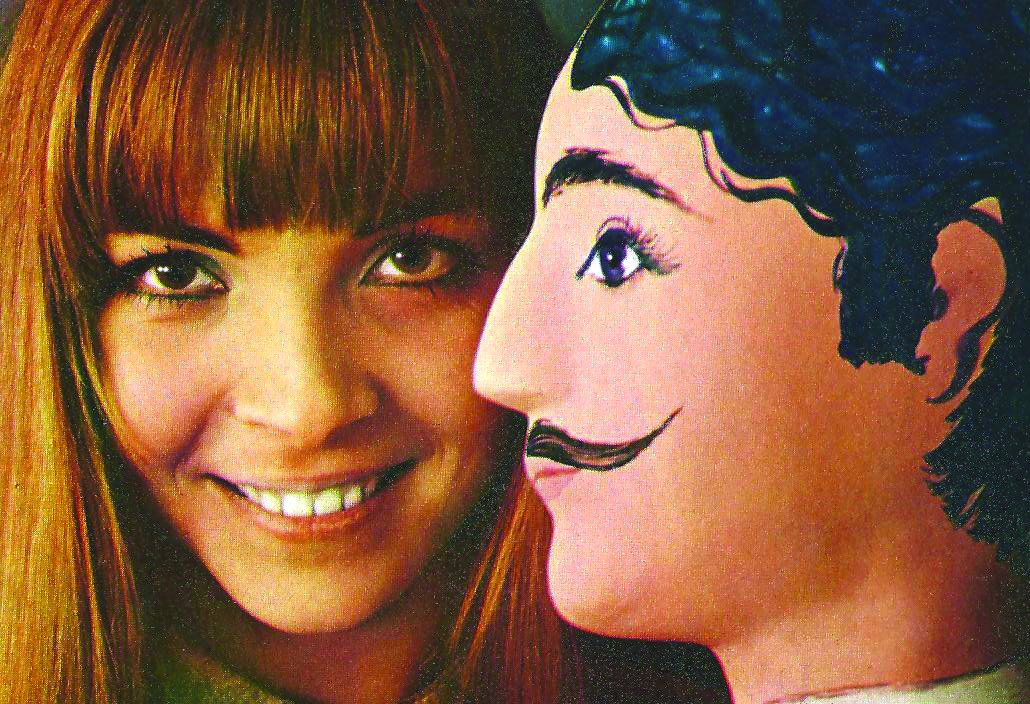
~Yé–YéGirlsof’60sFrenchPop~
– at the always surprising FeralHouse to remind us of the halcyon days of the vibrant French POP miracle that was Yé–Yé.
I was lucky enough to chat with him:
JM: Bonjour Jean-Emmanuel! Could you encapsulate the Yé-Yé phenomenon in one immaculate saccharine phrase?
JED: ”My records are a mirror in which everyone can see me” – (France Gall /Gainsbourg : Poupée de Cire , Poupée de son)
JM: What was it about the early Sixties in France that caused young French female singers to produce these ditties of pop perfection?
JED: It was time for a change after the grey 50’s – It was the beginning of female empowerment – the teenagers were targeted as a consumer force – But the fact that French Yé-Yé is unique probably goes back to France’s cultural history! Love of jazz, risqué chanson lyrics, literacy legacy & surrealism …
JM: How much of an influence on the genre was the late great Serge Gainsbourg?
JED: At first, Serge Gainsbourg thought that Yé-Yé was just a flash in the pan. After all, Gainsbourg came from a left banke chanson & Jazz background – But as he says when he saw that the inside of his coat was ”covered in fur”, he was prompted to turn his jacket inside out!!! Serge Gainsbourg was talented, that’s a fact but never forget he was also a big opportunist and not very nice towards women!
JM: Why has Yé-Yé often been neglected to a certain extent in favour of the nostalgia of psychedelia or punk? Is it purely the fact that they sung in a language other than English, or was it a form of pop journalistic snobbery involved?
JED: It’s probably because of cultural imperialism . Remember when John Lennon was saying that French rock was as good as English wine? I’d say the cultural landscape changed around 1993 and April March for me is the main pop activist who made that evolution possible. People like Sheila Burgel (Cha Cha charming) and Bob Stanley (Saint Etienne) were important in this Yé-Yé mania!!!
And nowadays with the net – I think the new generation of music writers are more open minded. They have realised there’s people doing music outside the UK and the USA in different languages!!!
JM: Why, do you think, has there been a recent resurgence in interest in Yé Yé with, for example, songs popping up in both Tarantino and Wes Anderson movies?
JED: Denver listening to a French Yé-Yé girl song is like me discovering a long lost Turkish pop musician- It’s exotic!!! and mesmerizing too!!! Le charme de l’inconnu!!! I think Wes Anderson is probably like many others creators tired of standardized products. Starbucks, McDonalds, generic pop & corporate shit everywhere in every cities – so I’m pleased but not surprised!! Vive la résistance!!
JM: Where do you see the sugar coated influence of Yé Yé on the digital future pop cultural landscape?
JED: Lio is a very important artist you should discover if you do not know her
– she was very important in using Yé-Yé perkiness in a post punk way –
She is really an icon and I’m really honored to have her writing my book foreword – I can die happy – Then there’s April March but let’s not forget the brilliant Helena Noguerra a true genius and the spiritual daughter of Raquel Welch and Magueritte Duras! And last, but not least I’ll mention Fabienne Delsol, Mademoiselle Nineteen, Stereo Total and the great Liminadas!!!!!
So, as you say like with reggae, psychédelia, punk or blues, Yé-Yé is now a source where new artists can get what they want-
Not as revival acts but as a way to find unique inspiration!
JM: And finally, which are your Top Five Yé-Yé favourites that you would like to share?
Jean–Emmanuel Deluxe is a pop culture specialist writing for French, American, English and Australian publications. He is a pop activist also working in TV & music. “Yé-Yé Girls of ’60s French Pop” is available at Feral House. It is also available at Amazon.com & Amazon.co.uk
Noir fans know what the rest of the world needs to learn: Ida Lupino rules. The goddess of the genre had an all-purpose muse. She started out acting and then turned to directing, seeking more control over her life and her stories. In the minority of women directors (an absence continuing unaddressed: despite periodic ‘year of the woman’ claims in Hollywood, the boys Continue reading He Didn’t Say That, I Did – Noir Goddess: Ida Lupino by Kate Laity→
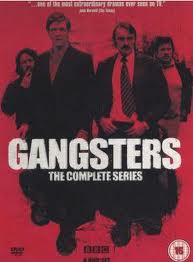
One of British television’s great creations, George Bulman first appeared on the small screen in 1976, in Granada Television’s hard edged crime series, The XYY Man, based on the books by Kenneth Royce. The XYY Man in question was a cat burglar called Spider Scott who was trying to go straight but regularly ended up getting caught in the MI5’s grubby web.
“What happened to your arm?” I ask. He mutters something indecipherable. I don’t bug him about it. A big bump on his forearm where he missed his mark, too lazy to belt it up, I reckon.
We all need them. In a world filled with bad guys, bad times, and bad memories, heroes are the one set of safety pins that keep us all from going irretrievably insane.
On the west side of Toronto there’s a little town of about 600,000 called Mississauga. That’s where Julia Madeleine lives and works and writes nasty little tales of mayhem and suspense. She’s also a tattoo artist and runs a shop with her husband. You can check out her artwork at www.malefictattoos.com.
Driving a cab teaches you to cultivate your inner asshole. Especially at night. I drove a taxi for the Prometheus Cab Co. for four years in Fayetteville. Despite uneven pay it remains one of the best jobs I ever had. I quit when I got engaged to a tall blonde Texan party girl I’d known and chased for years at that point, who was stuck in a halfway house in Tulsa and said she wanted to move to a place where she could kick back and play her guitar. I suggested Eureka Springs and she said yes, so I quit the job and moved. Continue reading Taxicab Confessions by Emmett Sudsbury→






 PULP METAL MAGAZINE